
Sado Diving Guide
A World-Class Ocean, Off the Beaten Path
Seasonal Guide
Four Seasons, Four Completely Different Oceans
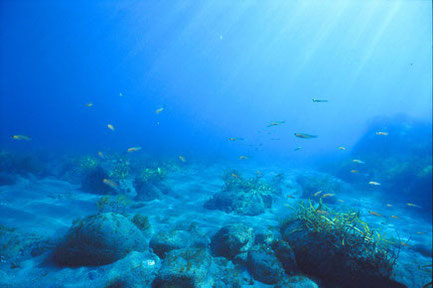
Spring (Mar to May)
Water temp: 8 to 18°C
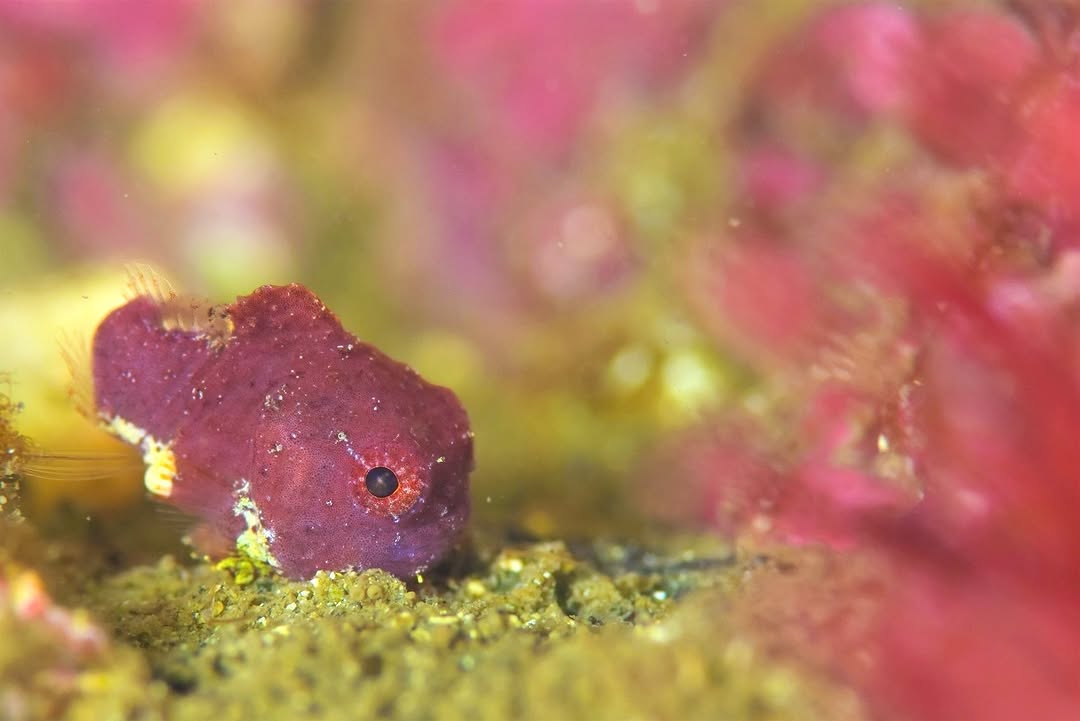
Nudibranchs everywhere. Tiny lumpfish juveniles show up around March. Visibility is often excellent. Drysuit required.
Summer (Jun to Aug)
Water temp: 18 to 27°C
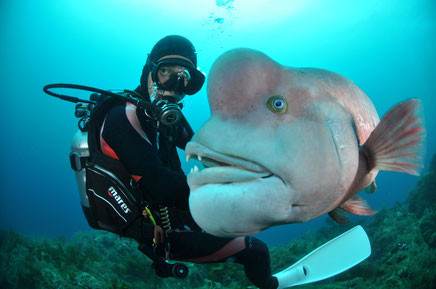
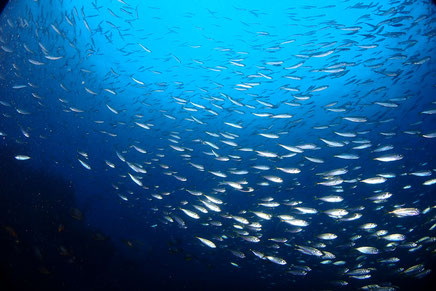
Peak season. Asian sheepshead wrasse in full spawning display. Schooling horse mackerel, sardines, and amberjack. Wetsuit is fine from mid-July.
Autumn (Sep to Nov)
Water temp: 14 to 25°C
Visibility dips, but macro life explodes. Bigfin reef squid, jawfish, and critters galore. Switch to drysuit around mid-October.
Winter (Dec to Feb)
Water temp: 10 to 14°C
For the adventurous. Rock greenling guard their nests (Dec to Jan). Lumpfish return. Vis is a gamble, but rewards are real. Drysuit + hood + gloves.
Asian sheepshead wrasse, rockfish, grouper, black rockfish, and damselfish are residents, so you'll spot them year-round
Sado diving by month
Our staff have kept a dive log since 2007. From 1672 of those entries we summarised, month by month, the water temperature, visibility, the dive sites we visited most and the marine life we met most often.
- Water temperature
- 12 to 13°C
- Visibility
- 10 to 15 m
Often seen: ainame (fat greenling), chagara (a goby), Japanese rockfish (mebaru)
February- Water temperature
- 10 to 11°C
- Visibility
- 10 to 15 m
Often seen: emura mino umiushi (a nudibranch), hoteiuo (smooth lumpsucker), chagara (a goby)
March- Water temperature
- 10 to 11°C
- Visibility
- 5 to 10 m
Often seen: dangouo (a tiny lumpsucker), hoteiuo (smooth lumpsucker), emura mino umiushi (a nudibranch)
April- Water temperature
- 10 to 12°C
- Visibility
- 5 to 10 m
Often seen: emura mino umiushi (a nudibranch), akaera mino umiushi (a nudibranch), dangouo (a tiny lumpsucker)
May- Water temperature
- 12 to 15°C
- Visibility
- 9 to 12.5 m
Often seen: Japanese rockfish (mebaru), emura mino umiushi (a nudibranch), dangouo (a tiny lumpsucker)
June- Water temperature
- 16 to 19°C
- Visibility
- 10.5 to 15 m
Often seen: kobudai (Asian sheepshead wrasse), Japanese rockfish (mebaru), damselfish
July- Water temperature
- 20 to 23°C
- Visibility
- 10 to 15 m
Often seen: kobudai (Asian sheepshead wrasse), chagara (a goby), Japanese rockfish (mebaru)
August- Water temperature
- 24 to 26.1°C
- Visibility
- 12.5 to 20 m
Often seen: chagara (a goby), damselfish, kobudai (Asian sheepshead wrasse)
September- Water temperature
- 25 to 26.5°C
- Visibility
- 12.5 to 17.5 m
Often seen: kobudai (Asian sheepshead wrasse), damselfish, chagara (a goby)
October- Water temperature
- 20.4 to 23°C
- Visibility
- 10 to 15 m
Often seen: kobudai (Asian sheepshead wrasse), damselfish, chagara (a goby)
November- Water temperature
- 17 to 19°C
- Visibility
- 10 to 12.5 m
Often seen: kobudai (Asian sheepshead wrasse), Japanese rockfish (mebaru), chagara (a goby)
December- Water temperature
- 15 to 16°C
- Visibility
- 10 to 12.5 m
Often seen: ainame (fat greenling), dangouo (a tiny lumpsucker), kobudai (Asian sheepshead wrasse)
Gallery
Snapshots from Below the Surface
Highlights
What Makes Sado Unlike Anywhere Else
Asian Sheepshead Wrasse
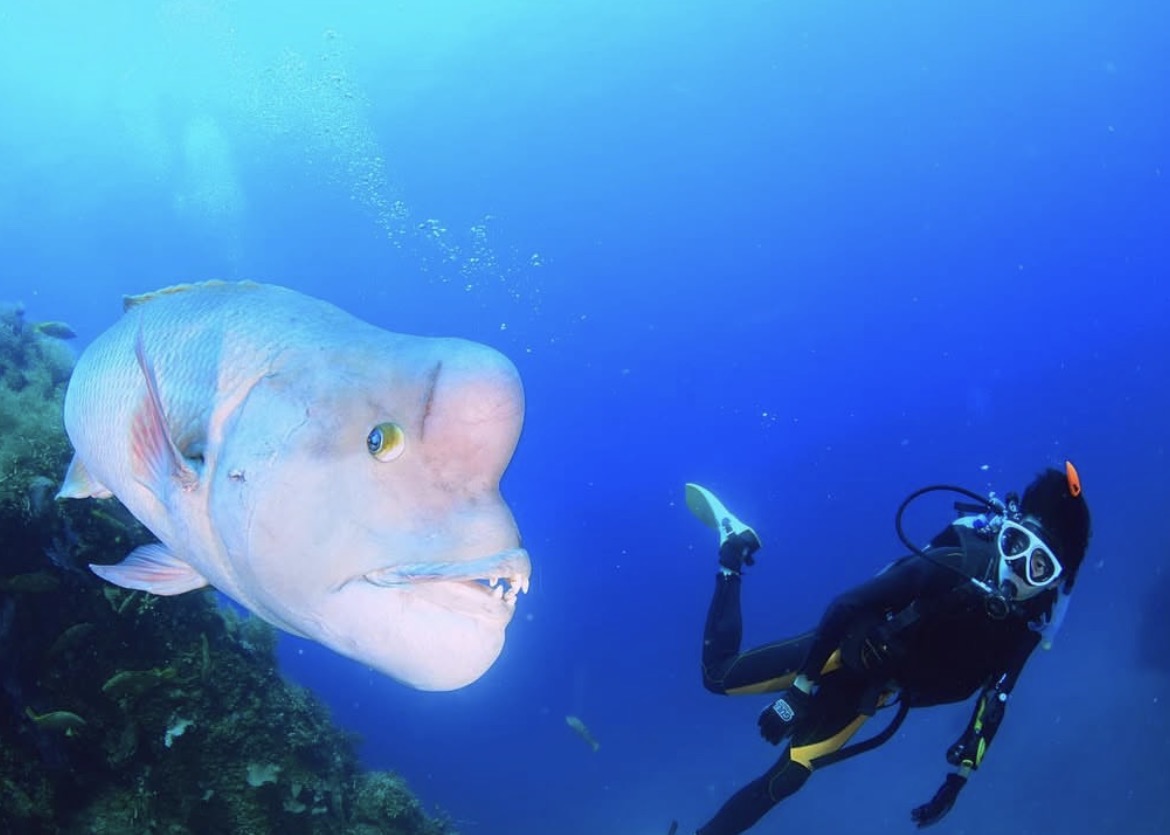
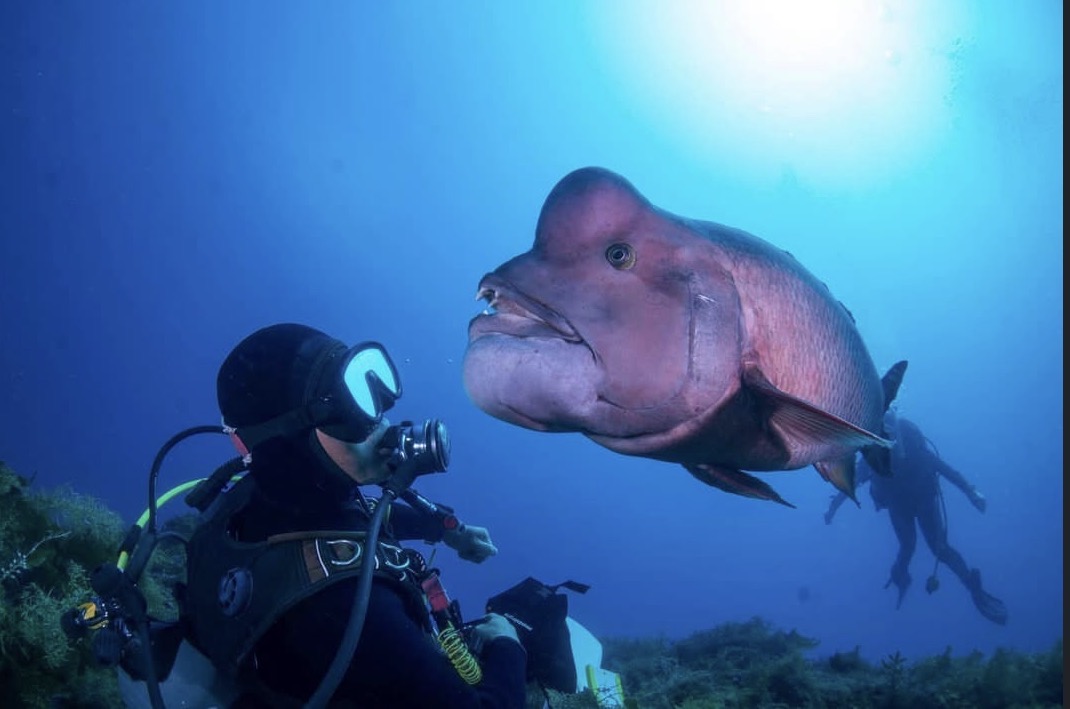
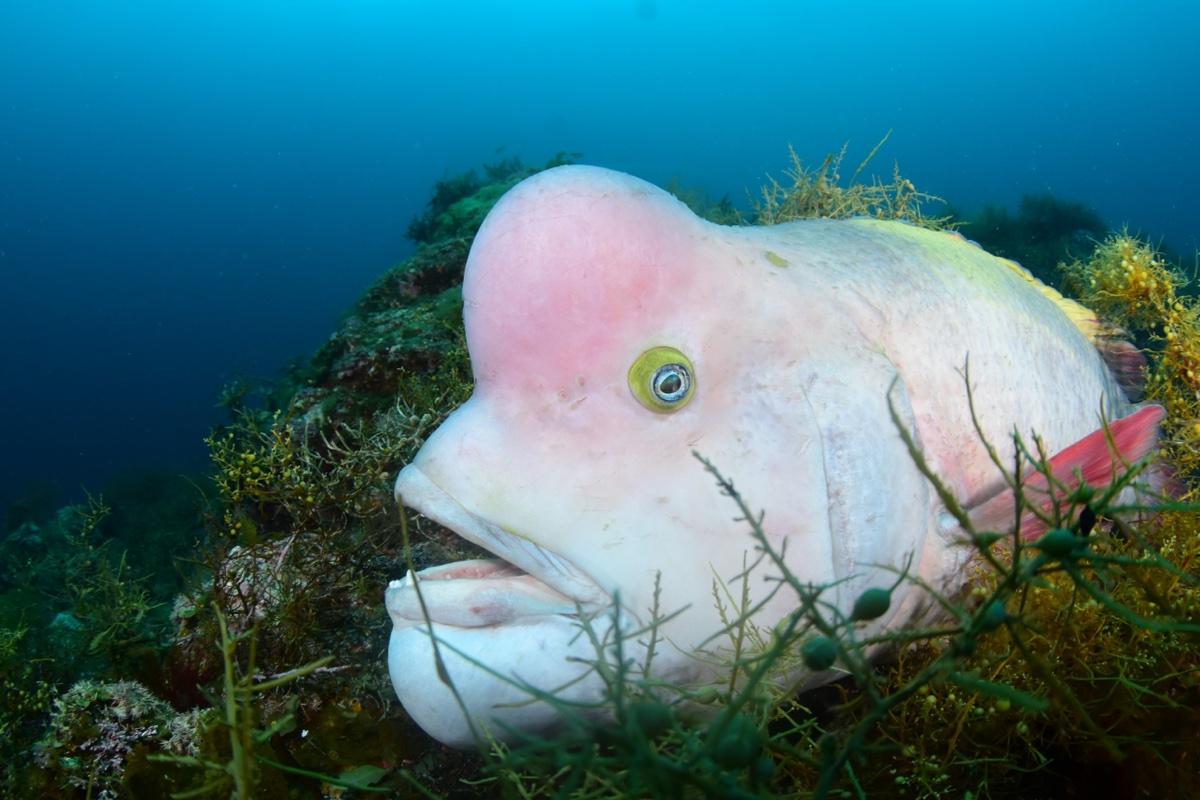
Sado's signature encounter. These meter-long gentle giants swim straight up to divers, no chasing required
Underwater Hot Spring
One of the rarest dive experiences on Earth: warm onsen water bubbling up through the seafloor
Shipwreck Dive
Explore vessels resting on the ocean floor, hauntingly beautiful, utterly unforgettable
Seasonal Marine Life
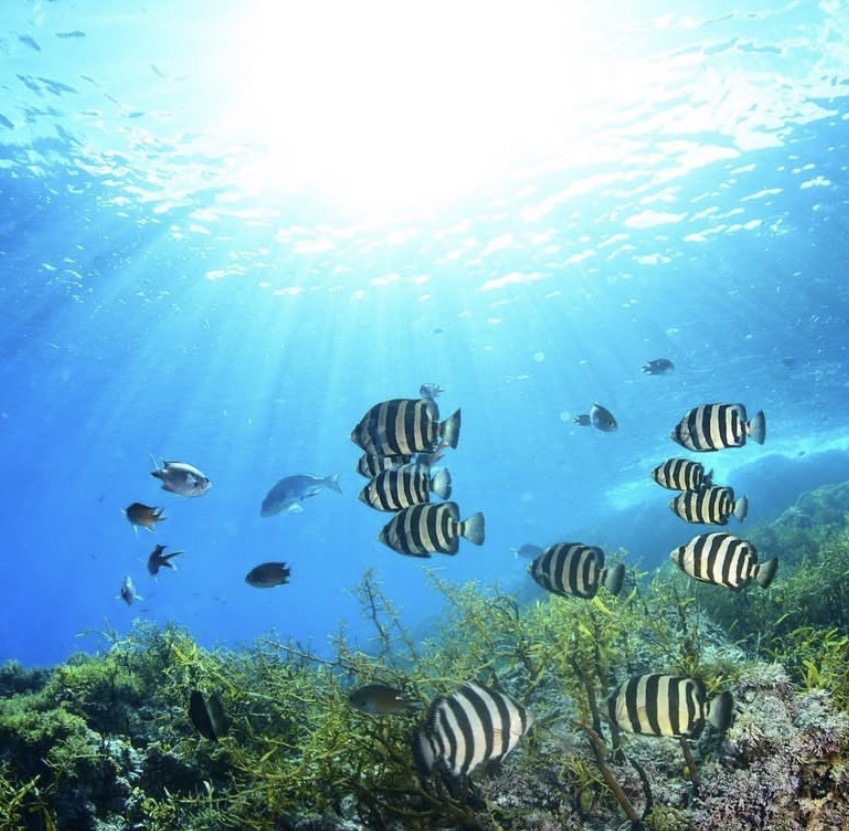
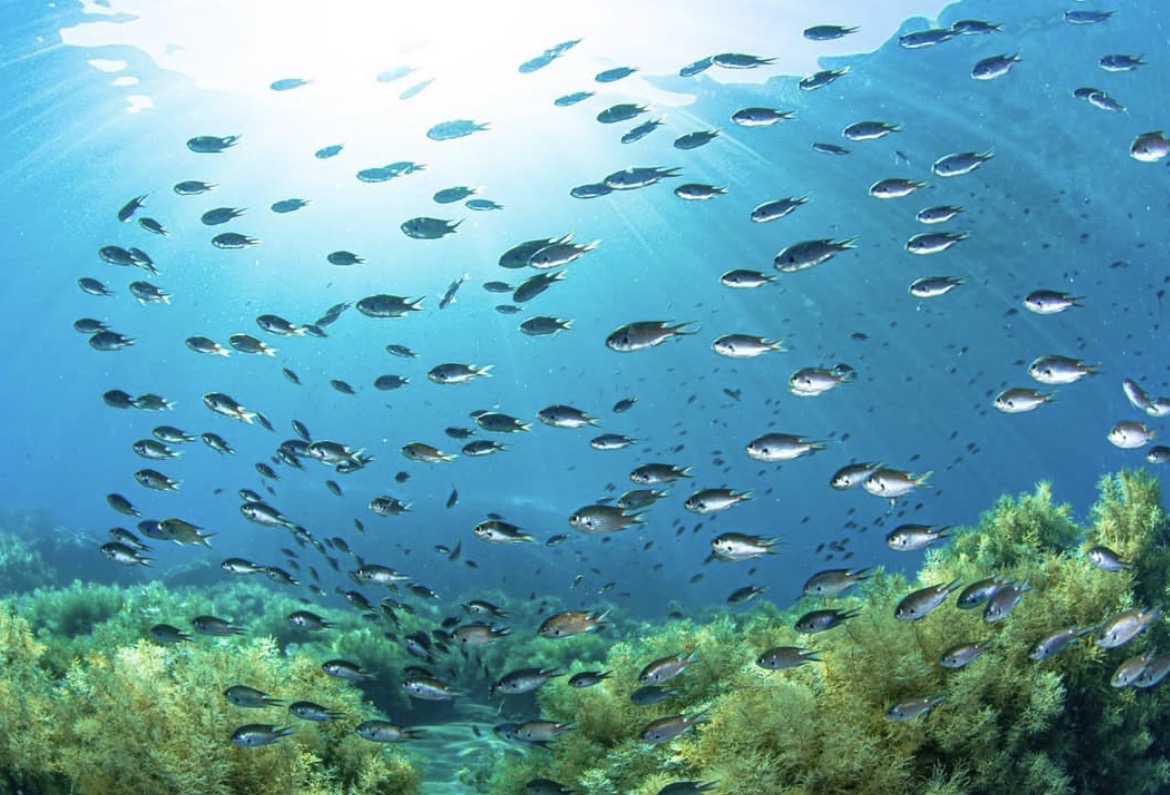
Warm and cold currents collide here, creating staggering biodiversity, from jewel-toned nudibranchs to swirling schools of damselfish
Meet the Kobudai
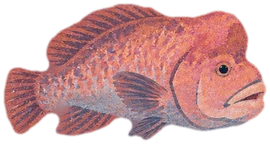
The Asian sheepshead wrasse ("kobudai" in Japanese) is a year-round resident of Sado's reefs, and arguably the island's biggest celebrity. Famously curious, these one-meter-plus fish approach divers on their own. Coming face-to-face with a kobudai is the kind of encounter that keeps people coming back.
Popular Dive Points
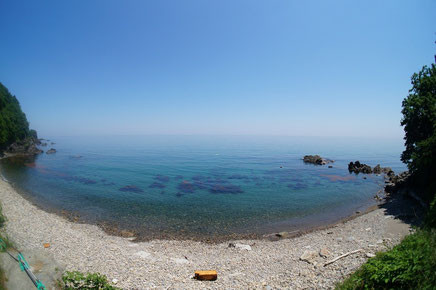
Over 35 dive sites ring the island. Here are three favorites.
Q&A
Your Questions, Answered
What if I can't swim?
No problem at all. Your wetsuit provides natural buoyancy, so you literally can't sink. Plenty of non-swimmers dive with us every season.
Is it okay to come alone?
Absolutely. We run small groups and match the pace to each diver. Solo travelers are always welcome.
I wear glasses / contacts. Can I still dive?
Yes. Contacts work fine underwater (daily disposables are best). We also rent prescription masks; just let us know your strength when you book.
Can kids join?
Trial diving is open to ages 10 and up. A parent or guardian needs to stay within sight until the dive wraps up.
When should I do my certification course?
April through June is the sweet spot. Schedules are more flexible, and you'll be certified just in time for peak season (July to September).
I get seasick easily...
Good news: Sado's dive sites are just 3 to 15 minutes by boat from the harbor. Most people don't even notice the ride.
How do I get to Sado?
Take the ferry from Niigata to Ryotsu. The jetfoil is about 1 hour; the regular car ferry is about 2.5 hours.
What's the cancellation policy?
2 days out: 30%. 1 day out: 50%. Same day: 100%. If we cancel due to weather, you pay nothing. Full details on our Policies page.
Ready to See It for Yourself?
Sado's ocean is waiting